Governor Phil Scott and the Agency of Commerce and Community Development announced just over $3.7 million in funding for 41 rehabilitation and revitalization projects in 31 of Vermont’s designated downtown and village centers. These Downtown and Village Center Tax Credit Program awards will generate over $20 million in building improvements around

"New Hampshire and Vermont's Online News and entertainment Magazine"
Tuesday, October 20, 2026

MALA Technology Advisors Announces Partnership with Eminence Grey to Expand Sovereign AI Infrastructure Advisory
Sovereign AI is quickly becoming a board-level and operational conversation for organizations that cannot compromise on data control, security, or resilience”
— Eric Anderson, President and Founder of MALA Technology Advisors
MANCHESTER, NH, UNITED STATES, October 20, 2026 /EINPresswire.com/ -- MALA Technology Advisors, LLC, an independent technology advisory firm, today announced a strategic partnership with
Successful Rutland Regional Medical Center Center for Sleep Disorders Expansion Open House
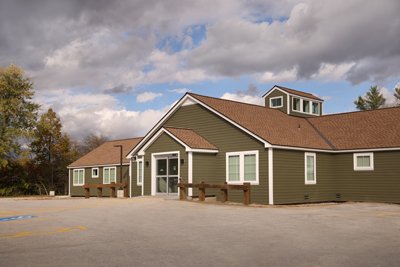
Center for Sleep Disorders at 3 Albert Cree Drive in Rutland, Vermont
On Thursday, October 15, 2026, RRMC welcomed employees, community partners and members to its newly expanded Center for Sleep Disorders at 3 Albert Cree Drive.
RUTLAND, VT, UNITED STATES, October 18, 2026 /EINPresswire.com/ -- On Thursday, October 15, 2026, Rutland Regional Medical Center welcomed employees, community partners and members to its newly expanded Center for Sleep Disorders at 3 Albert Cree Drive.
The event was well attended, offering the
New Hampshire Community Loan Fund Earns Investment-Grade Rating from Fitch
Positive Outlook reflects improving leverage and strengthening capital at one of the nation's first CDFIs
CONCORD, N.H.--(BUSINESS WIRE)--New Hampshire Community Loan Fund (the Community Loan Fund), a Community Development Financial Institution (CDFI), today announced that Fitch Ratings has assigned the organization an 'A-' Issuer Default Rating with a Positive Outlook, making it one of a small number of CDFIs nationwide rated by a credit rating agency registered with and regulated by the SEC.
"As Fitch notes, the Positive Outlook reflects improving leverage and capitalization, which could support a higher rating if sustained."
Share
Fitch cited the Community Loan
Monday, October 19, 2026
Community Trunk or Treat Event at RRMC's West Ridge Center
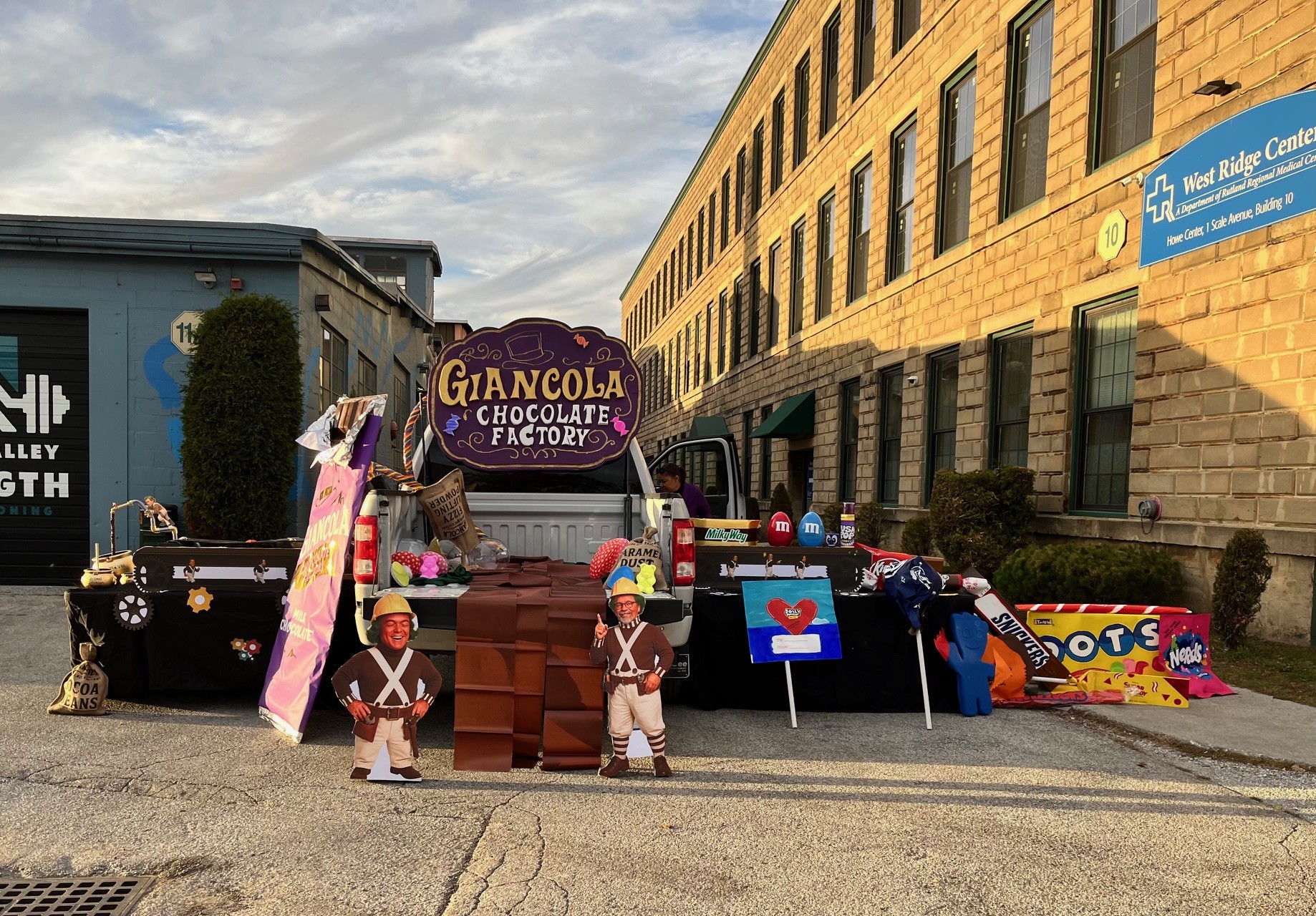
Giancola's Chocolate Factory at the 2025 West Ridge Center Trunk or Treat
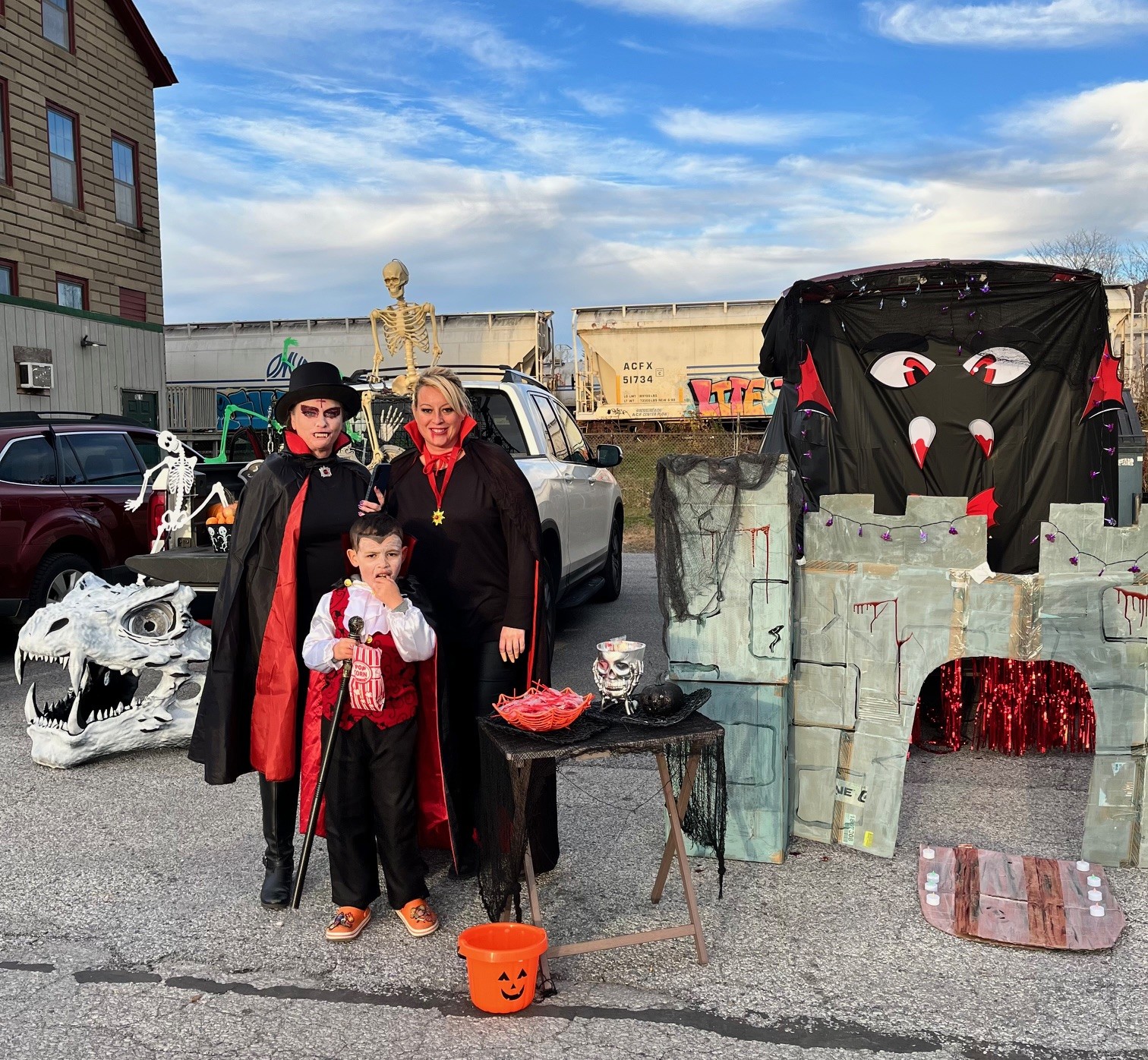
"Vampires" at the 2025 West Ridge Center Trunk or Treat

Aerial photo of the West Ridge Center 2025 Trunk or Treat.
Rutland Regional Medical Center invites local families to our West Ridge Center Trunk or Treat event on October 28 from 5-7pm.
RUTLAND, VT, UNITED STATES, October 19, 2026 /EINPresswire.com/ -- Rutland Regional Medical Center invites local families to our West Ridge Center Trunk or Treat event held outside at the West Ridge Center, 1 Scale Avenue, Bldg. 10 in the Howe Center in Rutland on Wednesday, October 28, 5-7pm.
The West Ridge Center staff and community
Fujifilm Introduces FUJIFILM HX1024 Printbar System
New printbar brings full-color customizable on-demand digital printing to building products
LEBANON, N.H.--(BUSINESS WIRE)--FUJIFILM Integrated Inkjet Solutions today announced the introduction of the FUJIFILM HX1024 Printbar System, designed to support customized printing using the company’s advanced inkjet printing technologies. Developed
Thursday, October 8, 2026
Tenovi Partners with Iron Bow Technologies to Bring Simplified Connected Care to Government Health Programs
Improving lives by simplifying remote care.
Government agencies can now purchase Tenovi's devices and logistics services through Iron Bow's contract vehicles, with all data delivered through a single API.
PORTSMOUTH, NH, UNITED STATES, October 8, 2026 /EINPresswire.com/ -- Tenovi, a leading provider of cellular remote patient monitoring (RPM) and remote therapeutic monitoring (RTM) infrastructure, today announced a partnership with Iron Bow Technologies that makes Tenovi's devices and services available to government agencies
Tuesday, September 29, 2026
“Twice-Told Tales of New Hampshire” by Charles Calley Explores Struggle and Resilience in Small-Town New England

PORTSMOUTH, NH, UNITED STATES, September 28, 2026 /EINPresswire.com/ -- Author Charles Calley has released a compelling collection of historical tales in his latest book, “Twice-Told Tales of New Hampshire.” Melding local history, New England’s natural environment, and
Welch, Shaheen, Kaine Urge Trump Admin to Stop Meddling in Brazil’s Elections, Recognize Certified Outcome and Support Brazil’s Democracy
WASHINGTON, D.C. — U.S. Senator Peter Welch (D-Vt.), along with U.S. Senators Jeanne Shaheen (D-N.H.) and Tim Kaine (D-Va.), today sent a letter raising concerns that the Trump Administration is using diplomatic, economic, and political pressure to deliberately weaken Brazil’s democratic institutions ahead of its October 4, 2026, presidential election.
In their letter to U.S. Secretary of State Marco Rubio, the Senators outline how the Trump
Friday, September 25, 2026
Welch Reintroduces Bill to Ban Toxic Substances in Plastic Bottles, Address Plastic Pollution in our Communities
WASHINGTON, D.C. – Today, U.S. Senator Peter Welch (D-Vt.) led U.S. Senators Jeff Merkley (D-Ore.), Cory Booker (D-N.J.), Chris Van Hollen (D-Md.), and Bernie Sanders (I-Vt.) in introducing the Banning Toxics from Plastic Bottles Act, legislation to prohibit the sale of plastic beverage containers that contain toxic substances and dyes linked to adverse health and environmental impacts, including forever chemicals like Per- and Polyfluorinated Substances (PFAS). The bill also creates a grant fund through the U.S.
Subscribe to:
Posts (Atom)