
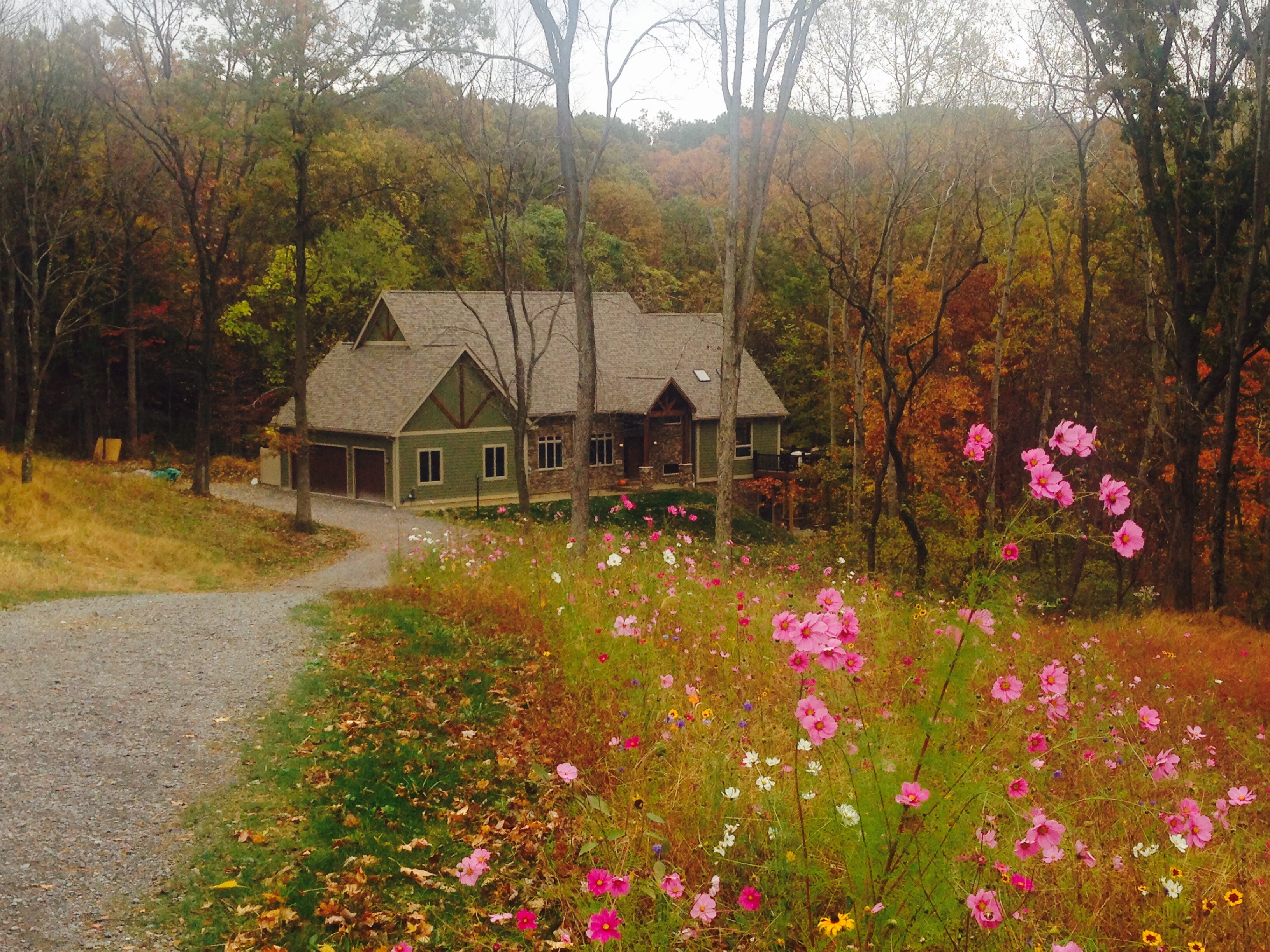
A customer’s garden glows with blooming cosmos set against vibrant fall foliage. American Meadows’ wildflower mixes bring lasting color and joy to landscapes, even as the seasons shift.
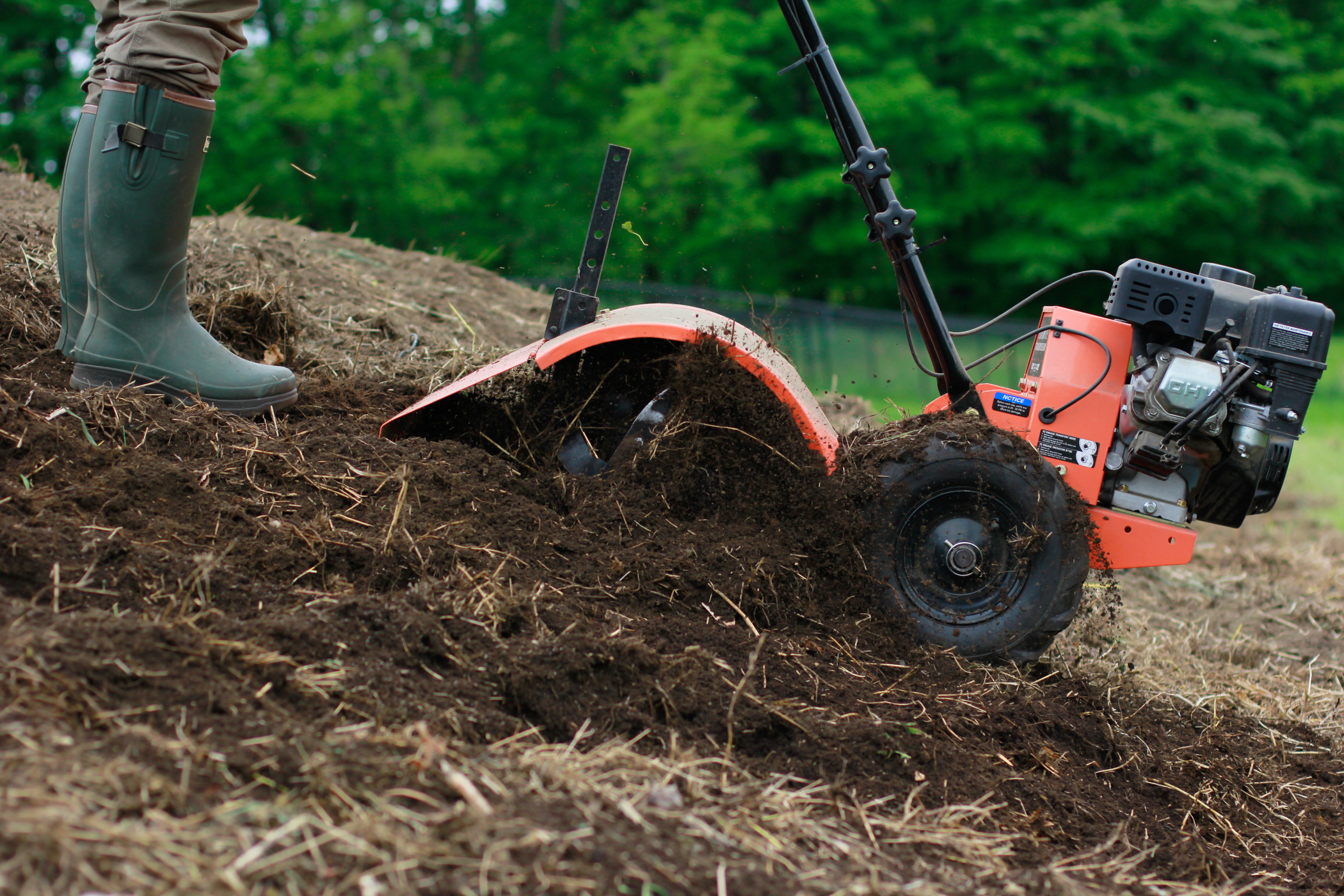
Preparing the soil is one of the most important steps before sowing wildflower seed. Tilling breaks up compacted ground and clears debris so seed can reach bare soil and germinate.
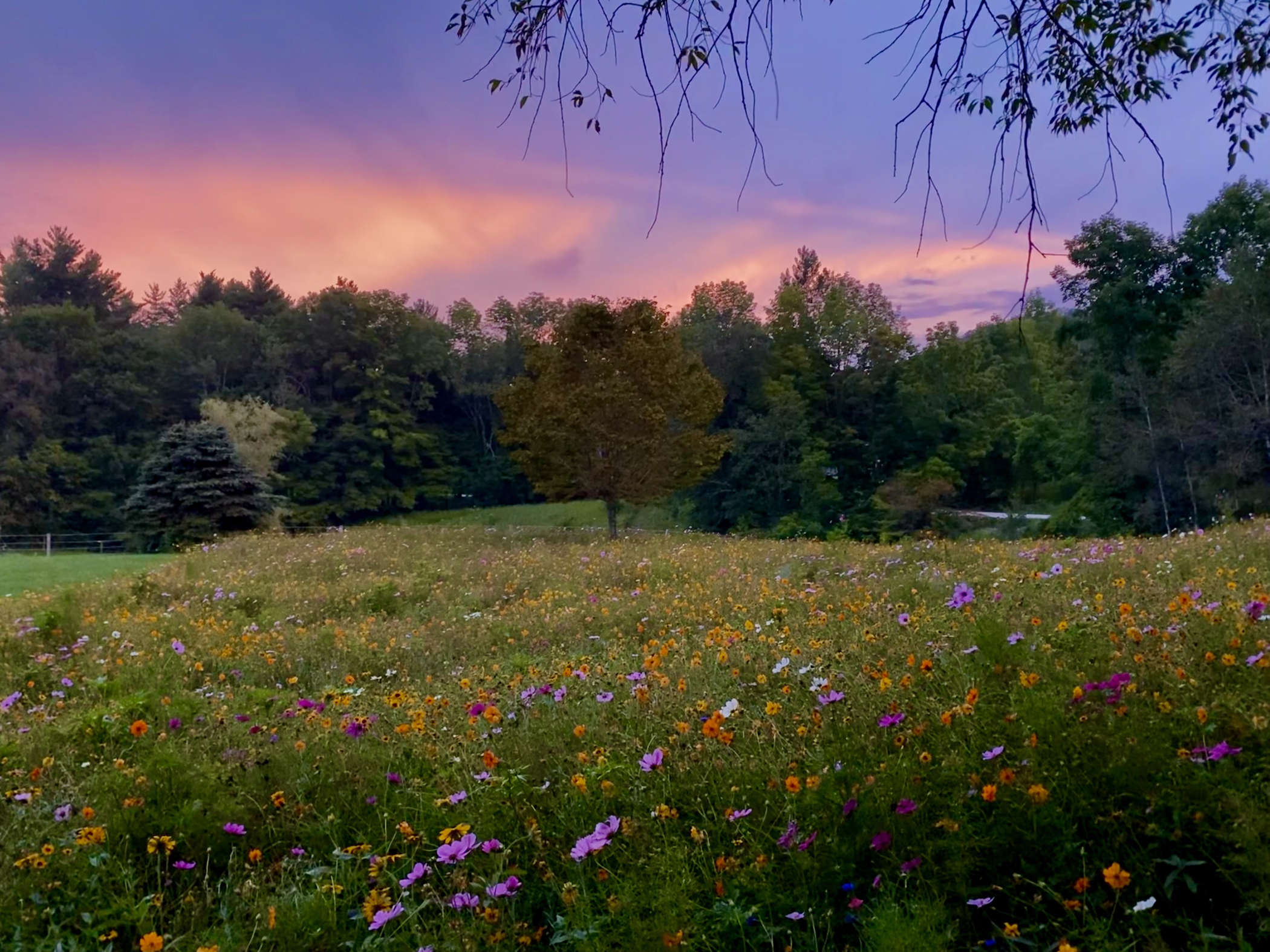
A wildflower meadow in full bloom offers more than seasonal color—it creates a living landscape filled with movement, pollinators, and a sense of calm that builds year after year from a simple spring planting.
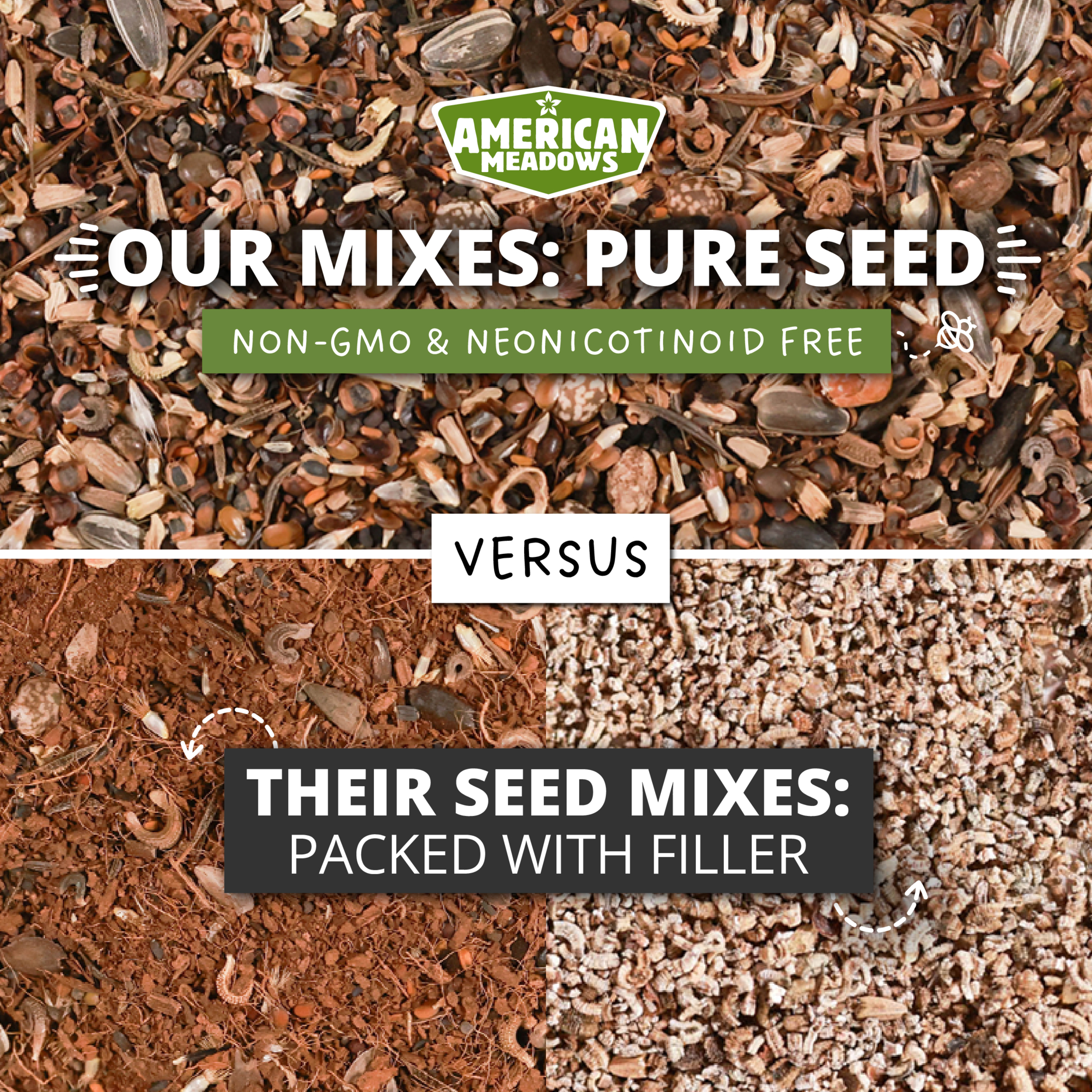
Side-by-side comparison of wildflower seed mixes highlighting American Meadows 100% pure seed (top) versus two mixes with high levels of inert filler, which can significantly reduce the amount of viable seed per package.
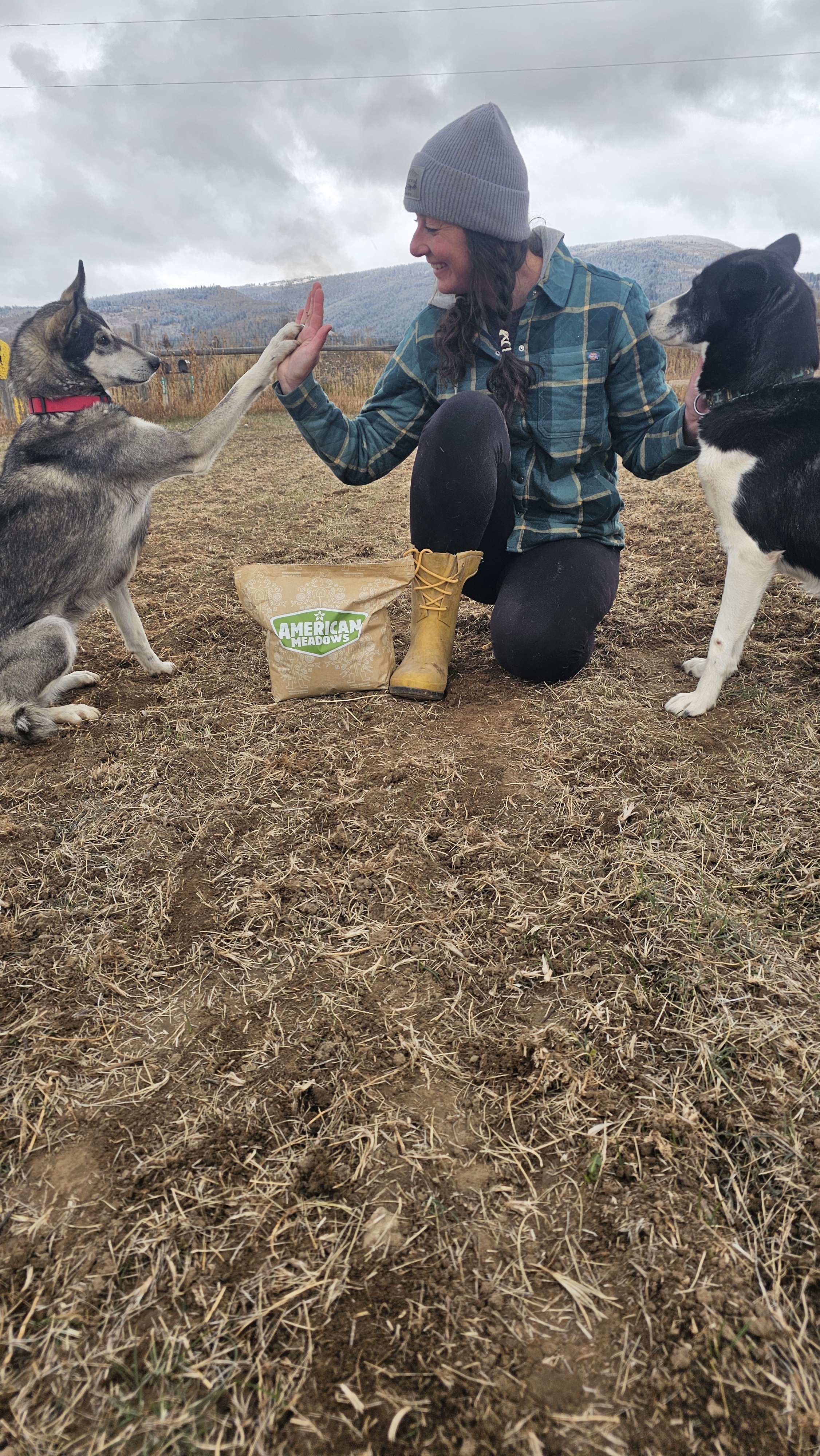
Customer Abby shares a joyful moment with her dogs in a field prepped for dormant wildflower planting. With American Meadows’ Fall Max Mix ready and companions by her side, this quiet space is set to bloom into a vibrant meadow come spring.
The right time to plant wildflower seeds this fall depends on a gardener’s USDA zone and average first frost date, not one date on the calendar.
SHELBURNE, VT, UNITED STATES, September 15, 2026 /EINPresswire.com/ -- There isn’t one date on the calendar that tells every gardener when to plant wildflower seeds. Fall is prime seeding season across much of the country, but the right timing depends on
USDA hardiness zone and average first frost date. Gardeners in colder climates should wait until after several killing frosts for a dormant planting, while gardeners in milder climates can plant earlier to give seed time to establish before winter. American Meadows breaks down the timing zone by zone in its fall planting guide.“People sometimes assume fall planting means the same thing everywhere, but it really depends on where you garden,” said Tabar Gifford, Master Gardener and Partnership Cultivator at American Meadows. “After 17 years with American Meadows and a lifetime of gardening, I’ve learned that your climate matters much more than the calendar. Once you know your zone and your average first frost date, you know which approach makes sense for your garden. I garden in Zone 4 in Vermont, spend time gardening in Zone 7 at my parents’ home in Connecticut, and also garden in Zone 11 in California. Those climates can be wildly different, even when you’re only a few hours south on the East Coast.”
KNOW YOUR ZONE AND FIRST FROST DATE
Two pieces of information give gardeners what they need to choose the right approach: a USDA hardiness zone and an area’s average first frost date. Together, they help determine whether an active fall planting or a dormant planting is appropriate.
American Meadows maintains reference tools for both—a USDA zone map and a first-frost-date chart—to help gardeners confirm their timing before they plant.
AREAS WITH FREEZING WINTERS — GENERALLY ZONES 1-6
For gardeners in areas with deep winter freezes and shorter growing seasons, American Meadows recommends dormant planting for wildflower seeds in fall.
• Plant for dormancy, not germination. Spread seed after several killing frosts, once ground temperatures are consistently below 50°F.
• The goal is for seed to remain inactive through winter rather than germinate in the fall.
• Germination begins the following season as soil temperatures warm back above about 55°F.
For gardeners in colder zones, waiting can feel counterintuitive, especially when the fall weather is still beautiful. But dormant planting is about letting winter provide the conditions the seed needs, rather than asking the seed to grow before winter arrives.
AREAS WITH MILDER WINTERS — GENERALLY ZONES 7-10
In areas with warmer winters and longer growing seasons, gardeners have the option of an active fall planting.
• Sow at least eight weeks before the average first frost date to give seed time to establish before winter.
• Perennial wildflower seed sown during this window can establish roots through fall, then go dormant over winter and resume growth when soil warms in spring.
• Depending on the seed mix and local conditions, some quick-blooming annuals can also provide fall color when planted early enough.
• A later dormant planting is also an option once conditions have shifted toward winter.
“Fall in a Zone 7 garden feels completely different from fall in Vermont,” said Gifford. “The soil can stay warm much later, so you have an opportunity to get seed established before winter and give those plants a head start on the next season. But the timing matters—you need to work backward from your first frost date.”
AREAS WITH LITTLE OR NO WINTER FREEZE — GENERALLY ZONES 11 AND ABOVE
In frost-free climates, the fall and winter planting calendar works differently.
• With long growing seasons and little or no winter freeze, wildflower seed can be planted through much of the winter.
• In areas with intense summer heat, fall planting can set up a winter bloom before summer heat returns.
• In especially dry climates, planting just ahead of the rainiest season can provide the moisture seeds need to germinate.
“In Zone 11, winter isn’t really what sets the calendar,” Gifford said. “Fall planting there comes down to heat and rainfall more than frost. It’s a completely different set of questions than gardeners in colder zones are used to asking.”
WHAT HAPPENS IF YOU PLANT TOO EARLY?
In colder zones, sowing seed before the ground has experienced several killing frosts can allow it to germinate while conditions are still mild. Those young seedlings may then be exposed to winter conditions before they are ready.
An unusually warm spell later in fall or early winter can also create challenging conditions if seed begins to germinate and freezing temperatures return. For gardeners who aren’t confident that conditions will remain cold enough for a dormant planting, waiting for a traditional spring sowing is a reasonable alternative.
The key distinction is simple: dormant planting isn’t about getting seed to grow right away. It’s about getting seed into the soil at the point when winter can provide the cold, moist conditions many wildflowers need, and spring can trigger germination when conditions are right.
Gardeners in milder zones have a different consideration. Waiting too long past the recommended eight-week window can leave seed without enough time to establish before winter dormancy.
WHY FALL PLANTING WORKS
Fall planting mimics the natural lifecycle of wildflowers. In nature, mature plants disperse ripened seed at the end of the growing season, and those seeds spend winter in the soil experiencing cold, moist conditions known as cold stratification. This period can help break seed dormancy so germination can begin once soil temperatures warm in spring.
Many wildflower species benefit from, or require, this period of cold, moist conditions for successful germination. Fall planting allows nature to handle that process outdoors, rather than requiring gardeners to stratify seed themselves.
American Meadows’ experience shows that fall-planted meadows can bloom two to three weeks ahead of equivalent spring-planted meadows the following year, because the seed has already experienced the winter conditions needed before spring germination.
Gardeners who want to understand which seed varieties benefit from cold stratification—or who want to stratify seed indoors rather than planting outdoors in fall—can learn more in American Meadows’ guide to cold stratification.
Gardeners who are past their area’s ideal planting window shouldn’t automatically assume they’ve missed their opportunity. Check the average first frost date against the zone-specific guidance above to determine whether there is still time for an active planting or whether conditions have shifted to a dormant one.
PREPARE THE SOIL BEFORE YOU PLANT
Timing is only part of what determines whether a fall wildflower planting succeeds. Wildflower seed needs good contact with the soil surface to germinate; seed that lands on grass, thick thatch, or mulch may never reach the soil.
Removing competing vegetation and lightly raking or working the soil before sowing gives seed the best chance to take hold, regardless of which zone or timing approach applies.
RESOURCES FOR FALL WILDFLOWER PLANTING
• When to Plant Wildflower Seeds in Fall: https://www.americanmeadows.com/blogs/meadowscaping/tips-for-planting-in-fall
• Find Your Average First Frost Date: https://www.americanmeadows.com/blogs/meadowscaping/first-frost-date-chart
• How to Cold Stratify Wildflower Seeds: https://www.americanmeadows.com/blogs/wildflower-seeds/how-to-cold-stratify-seeds
• Learn How to Prepare Your Site: https://www.americanmeadows.com/blogs/wildflower-seeds/how-to-wildflower-seed-planting-instructions#prepare
• Find Your USDA Hardiness Zone: https://www.americanmeadows.com/blogs/meadowscaping/usda-zone-map
ABOUT AMERICAN MEADOWS
American Meadows is Doing Good Through Gardening. Its wildflower seed mixes, pre-planned perennial gardens, and lawn alternatives have helped gardeners create more beautiful landscapes for more than 40 years. American Meadows provides seeds, plants, gardening resources, and expert guidance to gardeners across the United States. Learn more at AmericanMeadows.com.

No comments:
Post a Comment